Azoospermia is a medical condition that affects male fertility, characterized by the absence of sperm in the semen. This can make conception difficult or impossible without medical intervention. Understanding the causes of azoospermia is crucial for both individuals facing fertility challenges and healthcare providers looking for the best course of treatment. In this blog post, we’ll explore the common causes of azoospermia, its diagnosis, and potential treatment options.
What is Azoospermia?
Azoospermia refers to a condition in which a man has no sperm present in his semen. This is a serious concern for couples trying to conceive, as sperm is a crucial element for fertilization. While the absence of sperm might sound alarming, it’s important to note that azoospermia can be caused by a variety of factors, some of which are treatable.
Types of Azoospermia
Before delving into the causes, it’s essential to understand that there are two main types of azoospermia:
-
Obstructive Azoospermia (OA)
In obstructive azoospermia, the sperm production is normal, but there is a blockage or obstruction in the reproductive tract, preventing the sperm from reaching the semen.
-
Non-Obstructive Azoospermia (NOA)
Non-obstructive azoospermia occurs when there is a problem with sperm production itself. This could be due to issues in the testes or hormonal imbalances that impact sperm generation.
Understanding whether azoospermia is obstructive or non-obstructive is crucial for determining the treatment and finding the right solutions for conception.
Common Causes of Azoospermia
1. Genetic Factors
Genetic issues are one of the leading causes of azoospermia, particularly in cases of non-obstructive azoospermia. Some genetic conditions that can contribute to azoospermia include:
-
Klinefelter Syndrome: A condition where a male has an extra X chromosome. Men with Klinefelter Syndrome often have lower levels of testosterone and may experience infertility due to impaired sperm production.
-
Y Chromosome Microdeletions: Small deletions on the Y chromosome can lead to azoospermia by affecting genes that are crucial for sperm production.
-
Cystic Fibrosis: Men with cystic fibrosis may have a congenital absence of the vas deferens (the tube that carries sperm), leading to obstructive azoospermia.
Genetic testing is a key diagnostic tool in identifying underlying genetic causes.
2. Hormonal Imbalances
Hormonal imbalances can also lead to azoospermia, especially non-obstructive azoospermia. The production of sperm is regulated by a delicate balance of hormones, including testosterone, follicle-stimulating hormone (FSH), and luteinizing hormone (LH). When any of these hormones are out of balance, it can impact sperm production. Common causes of hormonal imbalances include:
-
Pituitary Gland Disorders: The pituitary gland controls the release of several important hormones, including FSH and LH, which are necessary for sperm production. Disorders like pituitary tumors can lead to azoospermia.
-
Hypothyroidism or Hyperthyroidism: An overactive or underactive thyroid can affect sperm production. Thyroid hormones play a vital role in regulating reproductive health.
-
Hypogonadism: This condition occurs when the testes fail to produce enough testosterone, leading to low sperm count or absence of sperm.
Hormonal treatments or medication may help restore normal hormone levels and sperm production in cases of hormonal imbalances.
3. Varicocele
A varicocele is a swelling of the veins that drain the testicles. This condition is similar to varicose veins but occurs in the scrotum. Varicoceles are often found in men with azoospermia and are a common cause of male infertility. The veins around the testicles can become enlarged, leading to increased temperature in the testes, which can impair sperm production. Varicoceles are treatable through surgery or embolization, which can sometimes restore sperm production.
4. Infections
Infections can lead to obstructive azoospermia by causing blockages in the reproductive tract. Certain infections can damage the reproductive organs or affect sperm production. Common infections that can lead to azoospermia include:
-
Epididymitis: Inflammation of the epididymis, usually due to bacterial infections like chlamydia or gonorrhea.
-
Orchitis: An infection of the testicles that can lead to decreased sperm production.
-
Mumps: Although mumps is generally a viral infection that affects children, in adult men, it can lead to orchitis, which can damage the testicles and result in azoospermia.
Treating infections early can help prevent long-term damage to the reproductive organs.
5. Testicular Torsion
Testicular torsion is a medical emergency that occurs when the spermatic cord twists, cutting off blood supply to the testicles. If not treated quickly, testicular torsion can lead to tissue damage and infertility. In some cases, this damage can result in azoospermia. Prompt medical attention is necessary to save the testicle and preserve fertility.
6. Trauma or Injury
Physical trauma or injury to the testicles can lead to a blockage or damage in the reproductive tract, resulting in azoospermia. For example, a direct blow to the groin can cause damage to the testes, leading to scarring or obstruction of the ducts that carry sperm. In some cases, surgical repair or sperm retrieval techniques may be required.
7. Medications and Environmental Toxins
Certain medications and environmental toxins can disrupt sperm production and lead to azoospermia. Medications like chemotherapy drugs, anabolic steroids, and some antibiotics can negatively affect sperm count and function. Additionally, exposure to environmental toxins such as pesticides, heavy metals, or radiation can harm sperm production. If azoospermia is caused by medications or toxins, switching to alternative treatments or removing exposure may restore fertility in some cases.
8. Lifestyle Factors
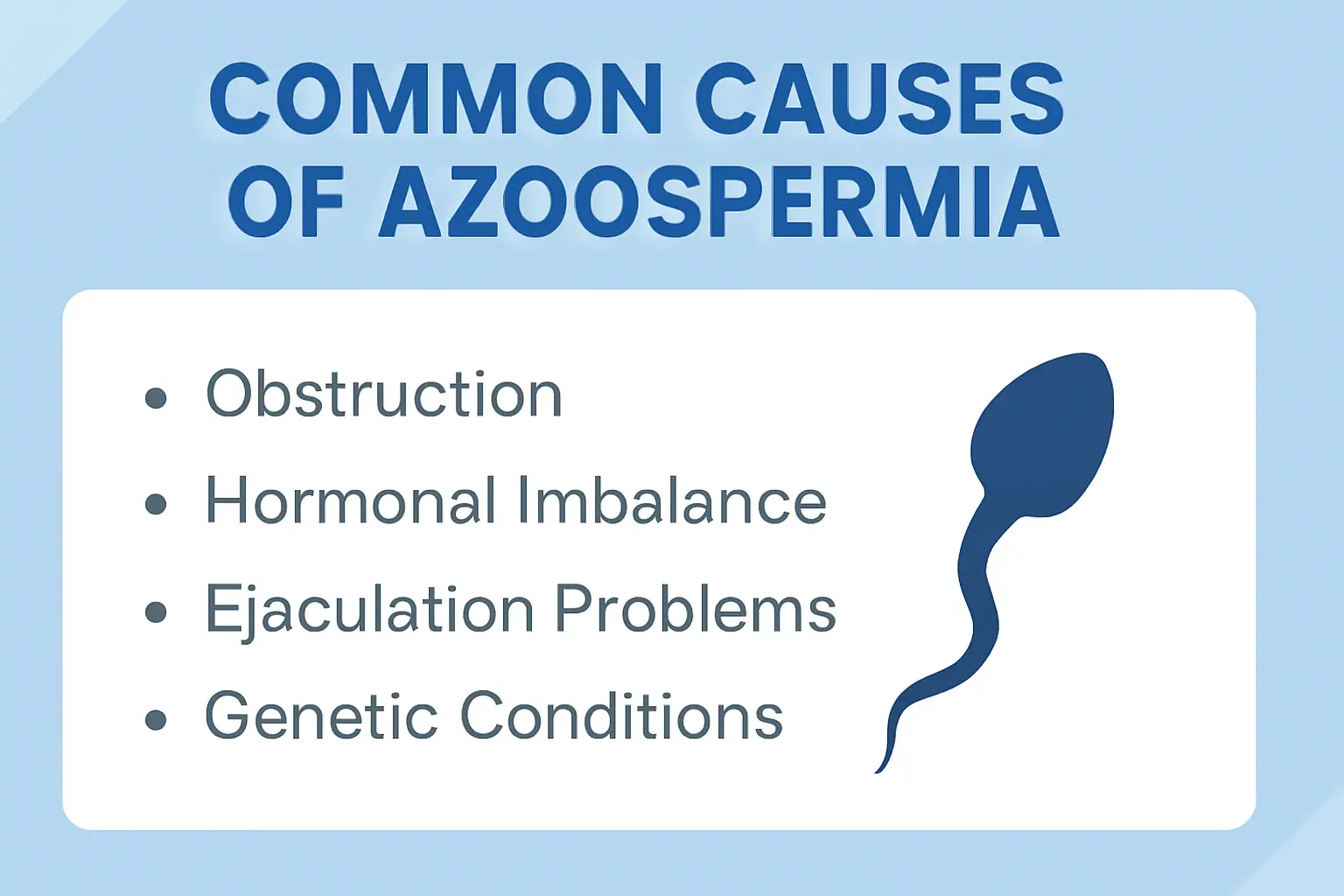
Lifestyle factors such as smoking, excessive alcohol consumption, and obesity can also contribute to azoospermia. These factors can affect hormone levels, sperm production, and overall reproductive health. Men who are trying to conceive should consider adopting a healthy lifestyle to improve their fertility. Regular exercise, a balanced diet, and avoiding harmful substances can help improve sperm production and quality. Common Causes of Azoospermia
Diagnosing Azoospermia
Diagnosing azoospermia typically involves a combination of tests and procedures, including:
-
Semen Analysis: The first step in diagnosing azoospermia is a semen analysis. If no sperm is present, further testing is needed to determine whether the condition is obstructive or non-obstructive.
-
Physical Examination: A physical exam can help identify potential causes of azoospermia, such as varicoceles, scarring, or injury.
-
Hormonal Tests: Blood tests to measure levels of testosterone, FSH, and LH can help determine whether a hormonal imbalance is causing the condition.
-
Genetic Testing: Genetic tests may be recommended to screen for conditions like Klinefelter syndrome or Y chromosome microdeletions.
-
Scrotal Ultrasound: This imaging technique can help identify issues like varicoceles or other structural problems with the reproductive organs.
Treatment Options for Azoospermia
The treatment for azoospermia depends on the underlying cause of the condition. For obstructive azoospermia, surgical procedures may be performed to remove blockages or repair damaged ducts. In some cases, sperm can be retrieved directly from the testicles using techniques such as testicular sperm extraction (TESE) or percutaneous epididymal sperm aspiration (PESA).
For non-obstructive azoospermia, treatment options may include:
-
Hormonal Therapy: If hormonal imbalances are identified, medications or hormone replacement therapy may be used to restore normal sperm production.
-
Sperm Retrieval: In some cases, sperm may still be present in the testes despite low sperm production. Techniques such as TESE or micro-TESE can be used to retrieve sperm for use in assisted reproductive technologies like IVF or ICSI.
-
Lifestyle Modifications: Improving lifestyle factors such as diet, exercise, and avoiding harmful substances can help improve sperm production and overall fertility.
Conclusion
Azoospermia is a complex condition with multiple potential causes, ranging from genetic factors to lifestyle choices. While azoospermia can be a source of concern for men trying to conceive, advances in medical treatments and reproductive technologies offer hope for many couples. If you’re facing fertility challenges, it’s essential to seek the advice of a healthcare professional who can guide you through the diagnostic and treatment process.
By understanding the common causes of azoospermia and exploring treatment options, men can take proactive steps toward managing their fertility and increasing the chances of having a child.